
Article
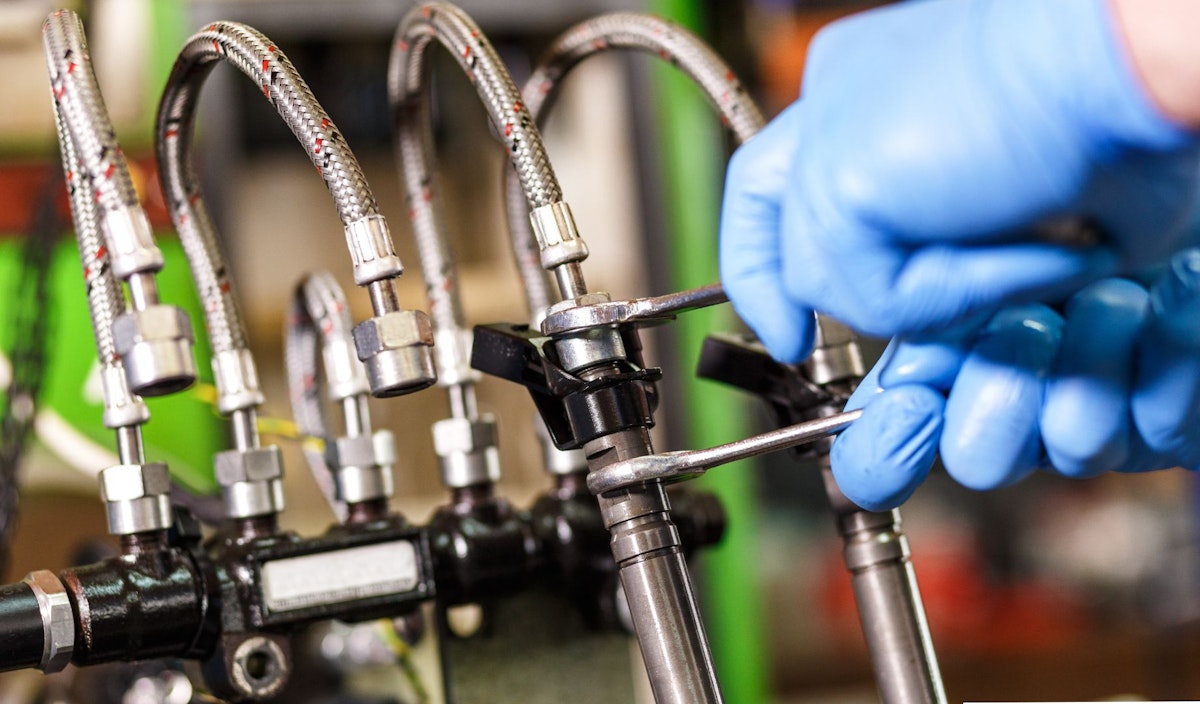
Do you have an EFI problem?
Ultra Lube Mechanical Workshop have the experience, skills and know how to identify, diagnose and solve even complex EFI issues and get your car performing the way it should…
Read moreModern vehicles are full of sensors designed to monitor how your car is performing. When something isn’t quite right, your dashboard lights up to get your attention. While some warning lights simply remind you to book a service, others signal problems that should be checked immediately. Knowing the difference can help prevent breakdowns, costly repairs and safety risks.

At Ultra Lube Mechanical Workshop in Midland, we regularly see vehicles brought in after warning lights have been ignored for too long. In many cases, early action could have saved the owner money and inconvenience. Understanding what your car is trying to tell you is one of the easiest ways to protect your vehicle.
Your dashboard lights are not there to scare you – they exist to alert you to abnormal conditions before serious damage occurs. A small issue, such as low engine oil or a faulty sensor, can quickly become a major mechanical failure if left unchecked. When a warning light appears, it means your car’s onboard computer has detected something outside normal operating limits.
Different colours usually indicate different levels of urgency. Red lights generally signal a serious fault that may require immediate attention. Amber or orange lights usually mean a fault has been detected that should be checked soon. Green or blue lights typically indicate systems that are active, such as headlights or cruise control.
The engine warning light is one of the most misunderstood indicators on the dashboard. It may appear as an engine symbol or display the words “check engine.” This light can be triggered by many different issues, ranging from a loose fuel cap to more serious faults such as misfires, emission system failures or sensor problems.
If the engine light is flashing, it usually means the fault is severe and could damage the engine or catalytic converter if you keep driving. If it is steady, the vehicle can often still be driven, but it should be checked as soon as possible. Ignoring this light can lead to reduced fuel efficiency, rough running and expensive repairs.
The oil pressure light is one of the most critical warnings your car can give. It indicates that oil is not circulating properly through the engine. Without proper lubrication, metal components can grind together, causing rapid and irreversible damage.
If this light appears while driving, it is best to safely pull over and switch the engine off. Continuing to drive with low oil pressure can destroy an engine within minutes. A mechanic can check oil levels, oil pumps and pressure sensors to identify the cause.
This warning light indicates that your engine is running hotter than it should. Overheating may be caused by low coolant, a faulty thermostat, a damaged radiator or a leaking hose.
Driving with an overheating engine risks blowing a head gasket or warping engine components. If the temperature light appears, stop as soon as it is safe and allow the engine to cool before checking coolant levels or seeking assistance. Regular servicing helps prevent overheating by keeping cooling systems in good condition.
A brake warning light can mean several things. It may indicate low brake fluid, worn brake pads, or a fault in the braking system. In some vehicles, it can also signal issues with electronic brake assistance systems.
Because brakes are your primary safety system, any brake-related warning light should be taken seriously. Reduced braking performance can increase stopping distance and make the vehicle unsafe to drive. A professional inspection ensures the issue is identified before it becomes dangerous.
This light usually indicates a problem with the charging system rather than the battery itself. It may point to a faulty alternator, worn drive belt or poor electrical connections.
When this light comes on, the vehicle may be running only on battery power. Once the battery drains, the engine can stall without warning. Early diagnosis can prevent you from being stranded on the roadside.
Vehicles equipped with tyre pressure monitoring systems will display a warning light when tyre pressure drops below safe levels. Underinflated tyres can increase fuel use, cause uneven wear and reduce grip, particularly in wet conditions.
Temperature changes, small punctures or natural air loss can all trigger this light. Checking and adjusting tyre pressures promptly can prevent tyre damage and improve vehicle handling.
The ABS (anti-lock braking system) light indicates a fault with the system that helps prevent wheel lock-up during hard braking. While normal braking may still work, the extra safety assistance provided by ABS may be disabled.
This is especially important during emergency stops or on slippery roads. Having the system checked ensures your braking performance remains predictable and safe.
Many drivers delay booking a service when a warning light appears, hoping the light will disappear on its own. While this can happen occasionally with minor faults, it is rarely a good long-term strategy. Small issues often develop into larger problems when left unattended.
A diagnostic scan allows technicians at Ultra Lube Mechanical Workshop to read fault codes stored in your vehicle’s computer and pinpoint the cause of the warning light. This reduces guesswork, saves time and helps prevent unnecessary parts replacement.
If a warning light appears and you are unsure what it means, it is always better to seek professional advice. At Ultra Lube Mechanical Workshop in Midland, our technicians use modern diagnostic equipment and manufacturer service information to accurately assess faults across all makes and models.
By acting early, you protect your vehicle, your safety and your budget. Warning lights are your car’s way of communicating with you – listening to them can mean the difference between a simple repair and a major mechanical failure.
If your dashboard has lit up and you are unsure why, don’t ignore it. Contact Ultra Lube Mechanical Workshop in Midland and let our team inspect your vehicle before a small warning becomes a big problem.
Ultra Lube Mechanical Workshop have the experience, skills and know how to identify, diagnose and solve even complex EFI issues and get your car performing the way it should…
Read more
Discover why regular servicing of diesel engines is not just important, but essential for maintaining optimal performance and the extended lifespan of your vehicle.
Read more
A quality oil cooler, correctly fitted will reduce transmission oil temperature and prolong transmission life. It will also reduce the demand on your radiator and the possibility of engine overheating...
Read more